Imagine needing a ride home after a long day – you are tired, carrying bags, maybe in an unfamiliar area, and you just want to get home. Would you rather search through multiple screens in an app, or simply make a call and say where you want to go?
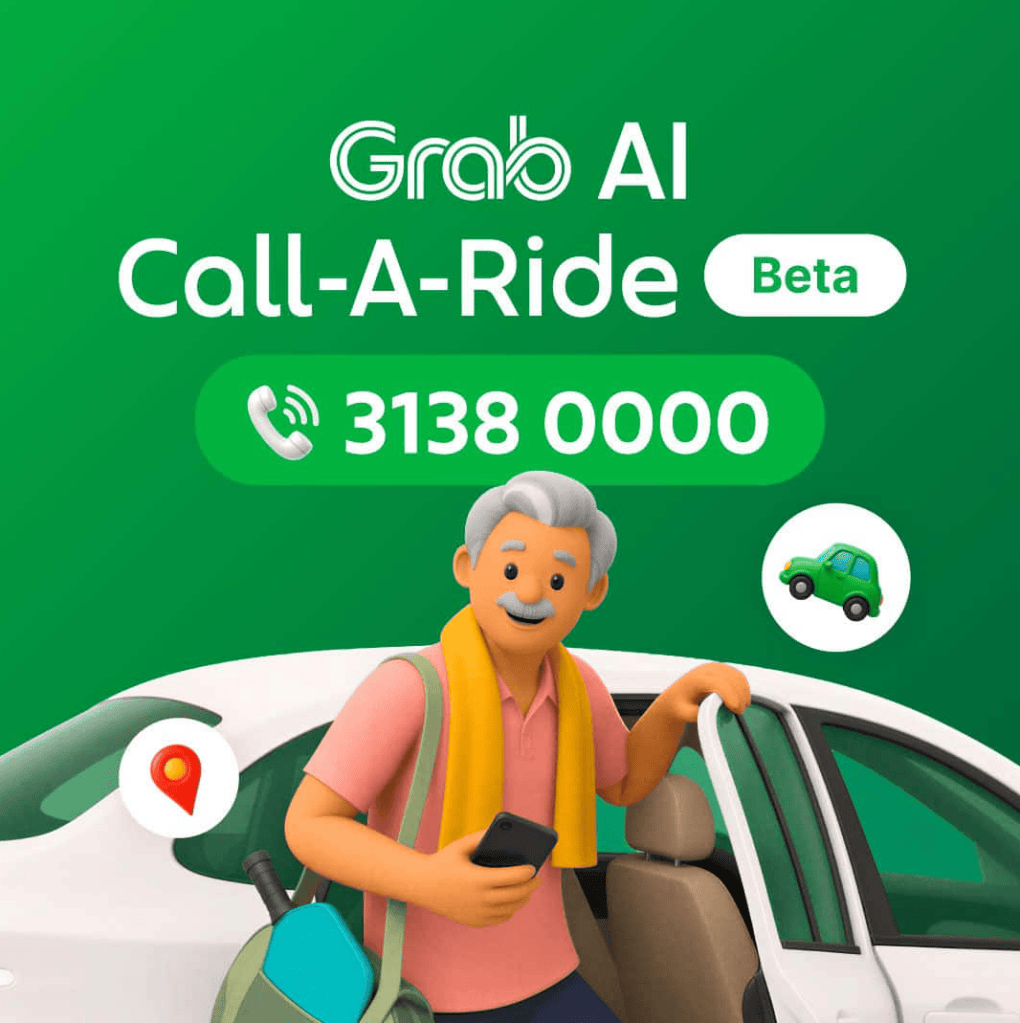
Grab answers that question with their AI Grab Call-A-Ride programme. Launched in August 2026, the services allows customers to book a Grab ride simply by calling a phone number and speaking to an AI assistant instead of navigating the Grab App (Jain 2026). It was designed specifically with seniors and people who may find mobile apps inconvenient or difficult to use in mind.
Initially, it sounds unusual – why would a technology company make a booking system less app based? Yet, this example reveals an important point about mobile marketing : success does not come from putting every customer into the same digital channel, it comes from helping people act quickly when they have an immediate need.
A ride is more than a booking
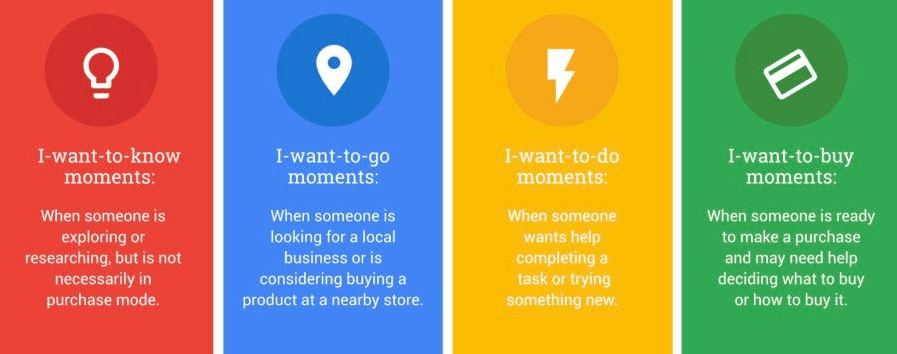
Google’s micro-moments framework describes the small, intent-rich situations in which people turn to a device because they either want to know, go, do, or buy something immediately (Google 2015). Booking a ride falls clearly into the “I-Want-To-Go” moment category. The customer is not casually browsing for a solution, they want transport now, and uneccessary effort only serves to worsen the experience.
This is where Grab’s service becomes more than a technical experiment. Typical ride hailing apps require users to open the app, select their pickup location, type a destination, then select a ride. For a lot of consumers, this process is quick and familiar. But what happens if the customer has poor eyesight, low digital literacy, difficulty typing, or simply needs quick help?
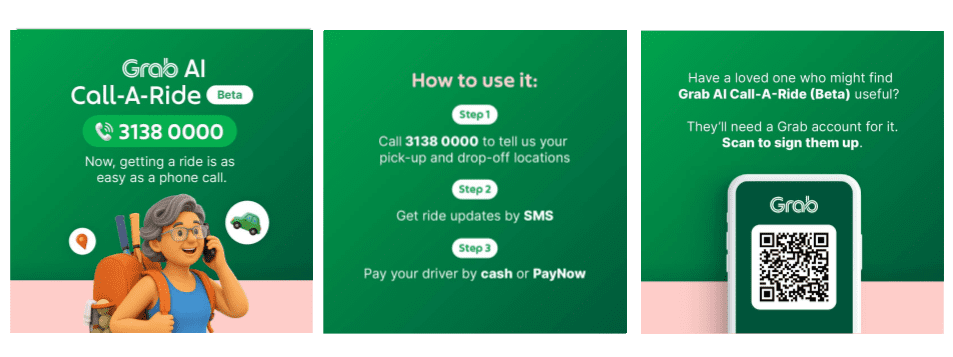
Grab’s AI assistant asks callers for their pickup location, destination, and preferred right type step by step. After booking, customers will receive useful details and a link to track their ride (Jain 2026). These features are important as they reduce uncertainty at the exact point where the customer wants to act – instead of making users adapt to their app, Grab adapts the booking process to the user.
Mobile marketing should remove friction
Tong, Luo, and Xu (2020) argue that personalised mobile marketing can be understood through mobile product, place, price, promotion and prediction. Grab AI Call-A-Ride demonstrates mobile place particularly well. The service gives customers access to transport wherever they are without requiring them to visit a taxi stand or successfully navigate through an app.
This case also shows why mobile design needs to focus on friction – micro-moments are high in intent, but low in patience. A person who wants transport immediately does not want to go through a long sign-up process, confusing menus, or repeated instructions. Grab AI Call-A-Ride’s call based format simplifies the action greatly – call, speak, confirm, and travel.
This does not mean this pilot programme is flawless, as voice recognition technology can misunderstand speech, struggle in noisy environments, or alienate individuals who are incapable of clear speech. Grab notes that the pilot programme is only optimised for English and Chinese currently, with plans to add more languages down the line (Jain 2026). The features should therefore be evaluated by whether it genuinely improves booking success and confidence for the intended users, not just because it uses AI.
The lesson
Grab’s AI Call-A-Ride pilot suggests that mobile marketing is not only about apps, push notifications, and increasingly detailed customer profiles. Sometimes, the strongest mobile experiences are the ones that are the most familiar feeling.
By recognising an “I-Want-To-Go” moment and reducing the barriers between intentions and actions, Grab creates value for a group that might otherwise be left behind by app-first design. As marketers, the key question should be : “When customers need something new, are we helping them act, or are we asking them to work through our technology before giving them what they want?”
References
Google 2015, Micro-moments: your guide to winning the shift to mobile, Think with Google, viewed 27 September 2026, https://www.thinkwithgoogle.com/_qs/documents/26/Micro-Moments-Ask-Yourself.pdf.
Jain, S 2026, ‘Book your Grab ride with an AI-powered call service’, Inside Grab, 5 August, viewed 27 September 2026, https://www.grab.com/sg/inside-grab/stories/book-your-grab-ride-with-an-ai-powered-call-service/.
Kaplan, AM 2012, ‘If you love something, let it go mobile: Mobile marketing and mobile social media 4×4’, Business Horizons, vol. 55, no. 2, pp. 129–139, https://doi.org/10.1016/j.bushor.2011.10.009.
Tong, S, Luo, X & Xu, B 2020, ‘Personalized mobile marketing strategies’, Journal of the Academy of Marketing Science, vol. 48, no. 1, pp. 64–78, https://doi.org/10.1007/s11747-019-00693-3.


Leave a comment