Revitalizing The Body Shop : A Digital Marketing Reset
The Body Shop’s recent restructuring of their finances and market retreats all point to a major issue in their structure; complete stagnation of their online consumer experience. Competing brands have transitioned easily to capturing modern buyers, whilst The Body Shop still trails behind on outdated web frameworks. To execute a proper comeback, the brand is going to have to overhaul its digital planning completely.
Digital Industry Analysis : The Sea of Sameness
A diagnostic 5 C analysis shows that while The Body Shop stays a strong legacy brand, its competitors have taken a complete chokehold on online channels with similar, if not identical visual templates. As highlighted by retail marketing analysts in this skincare industry sea of sameness case study, if you remove the logos from the top modern beauty brands, what you are left with is the exact same droppers, bottles, and standard claims. The repetition of these products forms a visual “sea of sameness” where competitors are using identical digital touchpoints(Dodson 2016), which drowns out legacy brands that fail to define a unique position in their market(West, Ford & Farris 2014). Paired with the advent of AI in the marketing landscape, it is no wonder a brand like The Body Shop is now struggling to stand out in the digital landscape.

Customer Value Proposition : The Overhaul
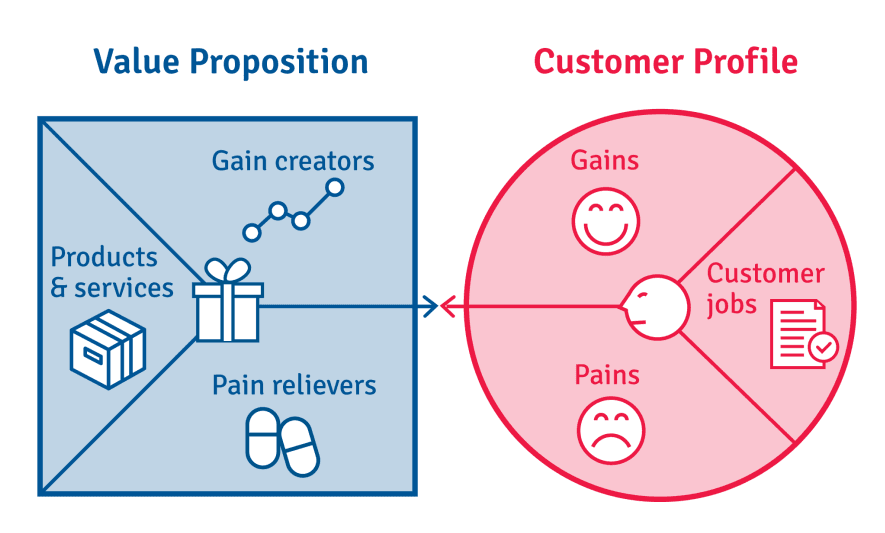
To regain its market share, the brand needs to realign its strategies using the Value Proposition Canvas(VPC). There is currently a distinct difference between The Body Shop’s online experience and the modern customer profile. The current target segment primarily consists of socially conscious young adults, and in terms of customer jobs, they want to express their symbolic value by way of their ethical identity, while looking for experiential value by way of seeking out engaging digital discovery. Their pains would include online brand insincerity, or “greenwashing”, and the high-friction layouts that many modern websites seem to have. The Body Shop’s digital channel’s pain relievers have been weak for a long time, and relying on uninspiring product descriptions fails to address consumer desires for authenticity and transparency.
Digital Marketing Objectives : Driving Action
Business goals that are broad have to be translated into clear targets by utilizing the RACE planning framework. After analysing the digital marketing funnel, the brand should employ SMART objectives that are specific to guide their resource allocation. Such specific, achievable goals can include boosting their social media engagement rate from a passive 1.0% to an active 4.0% in 6 weeks by implementing interactive, community-driven content. To boost their conversion rate, perhaps improving their website landing page could see their conversion rate go from 1.2% to 3.0% in 3 months through optimizing the user interface for lower friction.

Proposed Implementations : Implementing the PESO mix
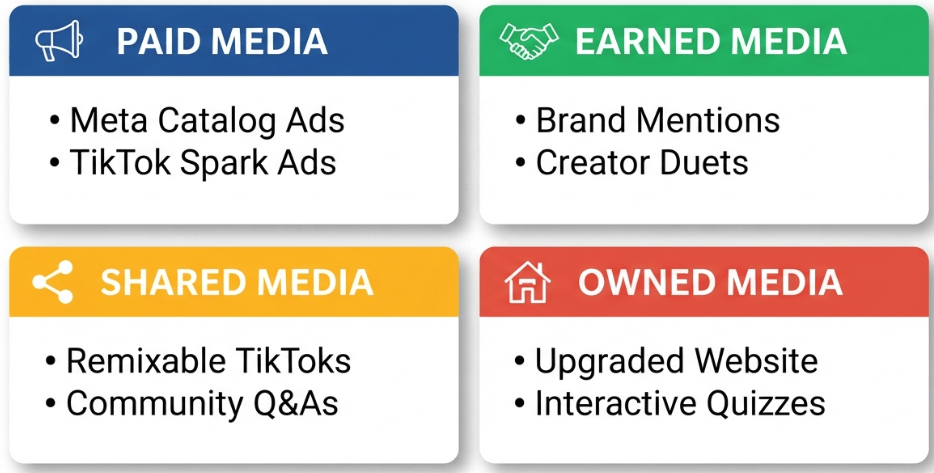
To fulfil the aforementioned goals, the PESO Framework should be employed to drive optimal channel selection. This would allow the brand to target different parts of the customer journey simultaneously.
Building Trust Through Demand Creation
The Body Shop must shift its primary focus towards TikTok and Instagram to capture active audiences, and through this mix of shared and earned media, marketers will partner with micro-influencers to create authentic, unedited, behind the scenes content that emphasizes the ethicality of the supply chain. This moves away from standard corporate messaging, and provides symbolic value and authenticity that the modern consumer seeks, which lowers ad fatigue.
Driving Results Via Conversion Optimization
At the same time, paid social traffic must be funnelled into their highest performing owned media channels. The website needs a performance upgrade, which should entail an overhaul of the legacy layout with a fast, mobile-friendly checkout engine while introducing one-click social purchasing options and interactive skin-diagnostic quizzes that can serve as a gain creator. By tailoring the digital ecosystem, consumer friction is lowered, which in turn reduces online shopping pains, which then converts prospective customers into loyal customers all while maintaining structural optimization.
References
1. Dodson, I 2016, The art of digital marketing: the definitive guide to creating strategic, targeted, and measurable online campaigns, John Wiley & Sons, Hoboken.
2.West, D, Ford, JB & Farris, PW 2014, ‘How corporate cultures drive advertising and promotion budgets: Best practices combine heuristics and algorithmic tools’, Journal of Advertising Research


Leave a Reply